Understanding Ceramic Window Tint
What is Ceramic Window Tint?
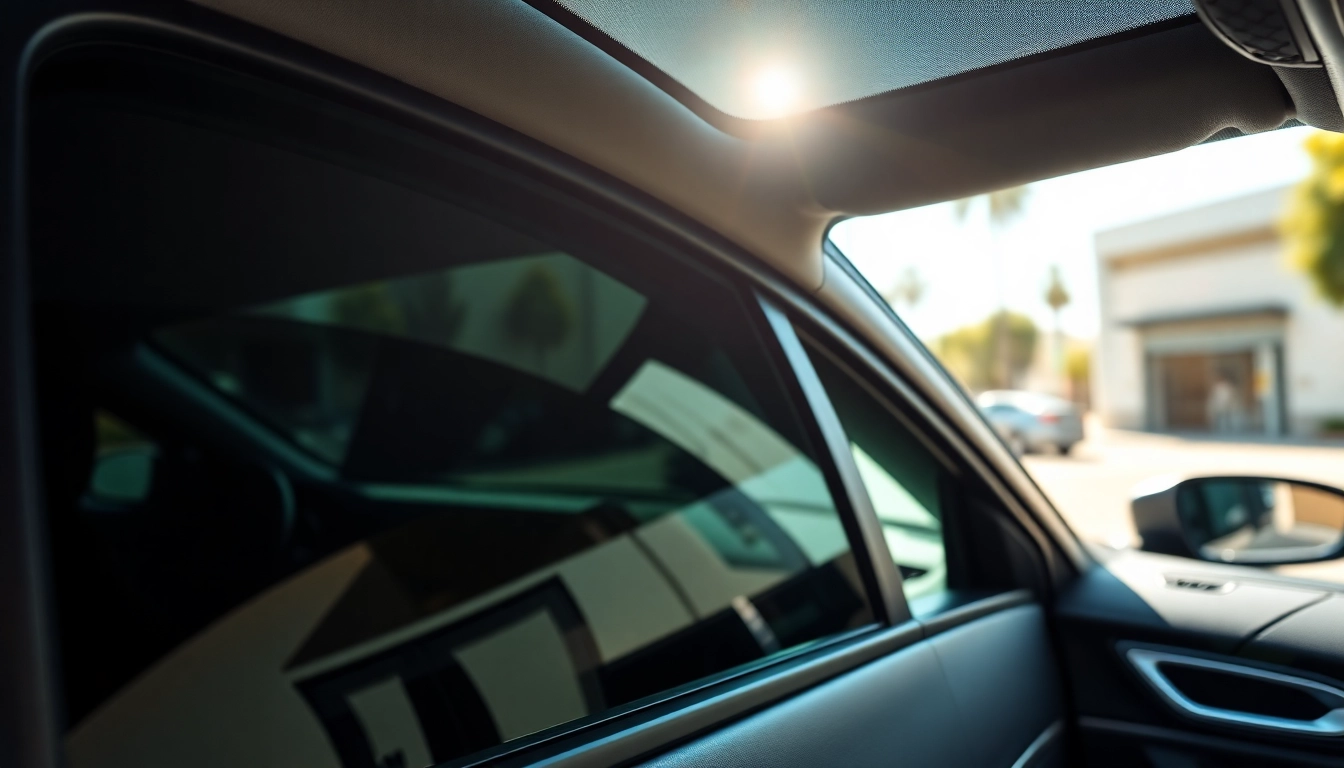
Ceramic window tint is a type of window film designed with advanced technology that incorporates ceramic particles. Unlike traditional window tints, which often utilize dyes or metallization, ceramic window tint offers superior performance by blocking infrared rays without compromising visibility. This innovative approach not only enhances privacy and aesthetics but also helps regulate the interior temperature of vehicles and buildings.
Benefits of Ceramic Window Tint
When considering ceramic window tint, the benefits extend far beyond mere appearance. Here are some of the most noteworthy advantages:
- UV Protection: Ceramic window tints block up to 99% of harmful UV rays, significantly reducing the risk of skin cancer and protecting the interior of vehicles or buildings from fading.
- Heat Rejection: These tints excel at blocking infrared rays, which are responsible for heat. This leads to a cooler interior, enhancing comfort and reducing air conditioning costs.
- Visibility: Unlike darker tints, ceramic films maintain a high level of clarity and visibility, which benefits driving safety and comfort.
- Durability: Ceramic window tint is scratch-resistant and does not fade over time, offering a long-lasting solution compared to traditional tints.
- Signal Friendly: Unlike metallic tints that can interfere with electronic signals, ceramic films allow for full accessibility to GPS, radio, and mobile signals.
Comparison with Other Types of Tints
In the world of window films, various options are available, each with its unique characteristics. Below is a comparison of ceramic window tint with other commonly used types:
Type of TintUV ProtectionHeat ReductionSignal InterferenceDurabilityCeramic99%ExcellentNoneHighDyedUp to 50%ModerateNoneMediumMetalizedUp to 60%GoodInterferenceMediumHybrid50-70%GoodSome InterferenceMedium
How Ceramic Window Tint Works
Light Filtering Mechanism
The effectiveness of ceramic window tint lies in its unique composition. By utilizing nano-ceramic particles, this window film can filter visible light while blocking out infrared radiation. This feature allows for optimal light penetration, ensuring that the interior of the vehicle or building remains well-lit without excessive heat buildup.
Heat Rejection Technology
Ceramic window tint utilizes advanced heat rejection technology, which is pivotal in preventing the sun's heat from entering your vehicle. The ceramic particles within the film are engineered to reflect and absorb heat, creating a barrier that keeps temperatures low. This results in increased comfort during hot summer months and lower energy costs for climate control in buildings.
UV Protection Essentials
One of the standout features of ceramic window tint is its ability to block up to 99% of harmful UV rays. This protection not only shields passengers from potential skin damage but also preserves the integrity of upholstery and interior surfaces. By reducing UV exposure, ceramic tints contribute to a longer lifespan for everything inside your vehicle or building.
Installation Process of Ceramic Window Tint
Preparation and Tools Required
Before starting the installation of ceramic window tint, it’s crucial to prepare adequately. The right tools and a clear workspace make a significant difference. Here’s a list of what you’ll need:
- Window Tint Film
- Spray Bottle with Soapy Water
- Utility Knife
- Window Cleaning Solution
- Squeegee
- Heat Gun (optional)
- Lint-Free Cloth
Begin by cleaning the windows thoroughly to remove any dirt or residues that could interfere with adhesion. A spotless surface is essential for achieving optimal results.
Step-by-Step Installation Guide
The installation process for ceramic window tint can be straightforward if done correctly. Follow these steps for an effective installation:
- Cut the Film: Measure each window and cut the ceramic tint film accordingly. Leave a small margin around the edges for adjustment.
- Wet the Window: Using the soapy water in a spray bottle, dampen the window where the film will be applied.
- Apply the Film: Carefully place the film against the wet window, ensuring that the adhesive side is facing the glass.
- Squeegee Out Air Bubbles: Using a squeegee, carefully push out any air trapped between the film and the glass.
- Trim Edges: Once the film is applied and free of bubbles, use a utility knife to trim excess film along the edges.
- Drying: Allow the film to dry completely, and if necessary, use a heat gun to assist in securing edges.
Common Mistakes to Avoid
Even the most skilled installers may encounter challenges during the installation of ceramic window tint. Here are some common mistakes and how to avoid them:
- Not Cleaning Properly: Skipping the cleaning step can lead to bubbles and peeling. Always ensure thorough cleaning.
- Incorrect Measurement: Measure twice, cut once. Proper dimensions prevent wasted material and ensure a perfect fit.
- Forgetting to Soak the Window: Lack of moisture can hinder the film's ability to adhere correctly.
- Ignoring Temperature: Install the tint in a controlled environment. Extreme temperatures can affect adhesion.
- Neglecting Edge Finishes: Overlooking the edges may result in lifting or peeling over time. Ensure the edges are secured properly.
Maintaining Your Ceramic Window Tint
Cleaning Techniques
To maintain ceramic window tint, regular cleaning is essential. Use a soft cloth or sponge with a mild cleaner to wipe the surface gently. Avoid ammonia-based products as they can degrade the tint. Furthermore, never use abrasive materials that can scratch the film.
Longevity and Care Tips
Ceramic window tint is designed for long-lasting performance. To maximize its life, consider these care tips:
- Avoid rolling down the windows for at least 48 hours after installation to allow proper adhesion.
- Keep window sills and frames clean to prevent dust accumulation.
- Periodically inspect for any signs of damage or peeling to address issues before they worsen.
Signs of Damage and Repair Options
While ceramic window tint is durable, it can still suffer from scratches or peeling over time. Watch for signs such as:
- Visible scratches or marks on the surface.
- Peeling edges or bubbles forming in the film.
- Discoloration or fading in certain areas.
If you notice any of these issues, consult a professional for repair or replacement options to ensure the best performance of your tint.
FAQs About Ceramic Window Tint
Is ceramic window tint worth the investment?
Yes, it offers superior UV protection, heat rejection, and durability compared to standard tints, making it worth the investment.
How long does ceramic window tint last?
With proper care, ceramic window tint can last over a decade without fading or degrading.
Can I install ceramic window tint myself?
While DIY is possible, professional installation is recommended for a flawless finish and optimal performance.
Does ceramic window tint affect visibility?
No, when properly installed, it enhances comfort without compromising visibility, even in low-light conditions.
Are there legal restrictions on window tint?
Yes, regulations vary by state; always check local laws regarding permitted tint levels.