
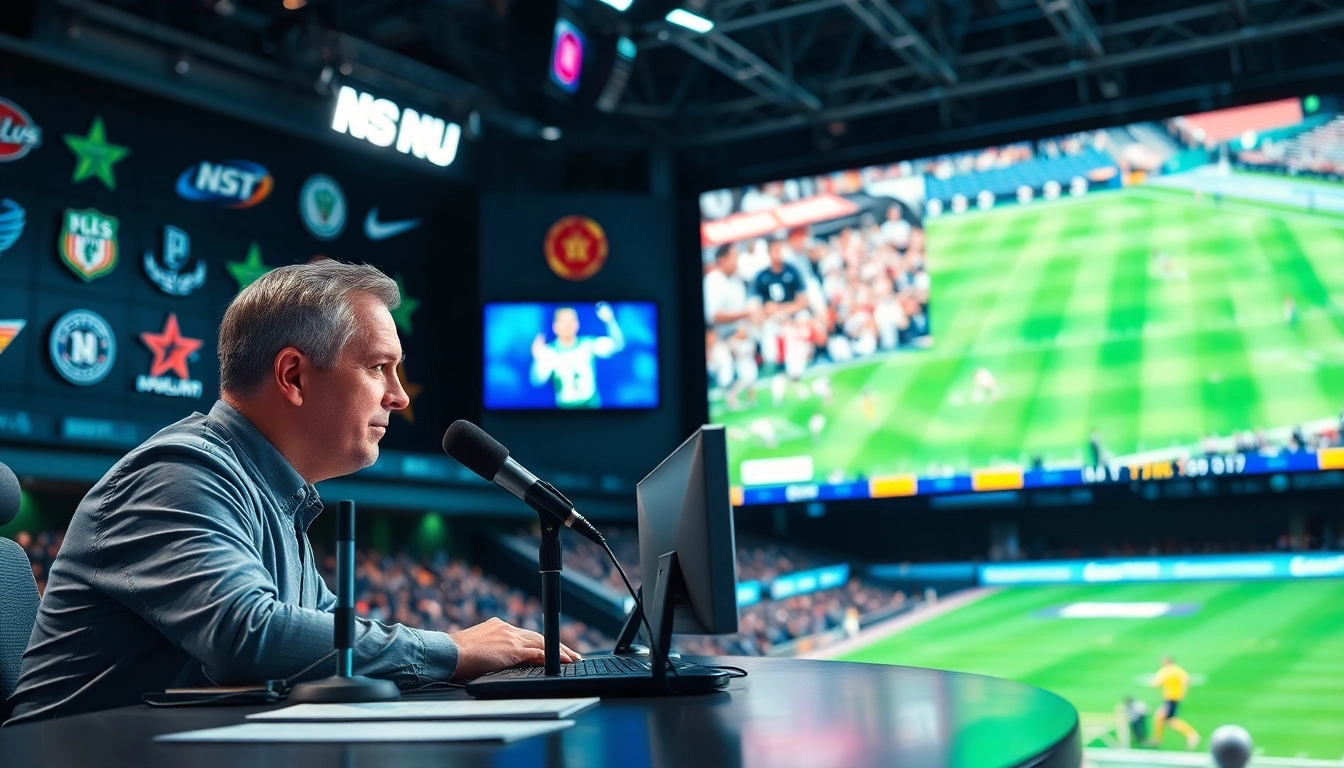
The Essentials of Sports Broadcasting
Understanding the Basics of Sports Broadcasting
Sports broadcasting is a specialized field that encompasses the transmission of sports events through various media channels, including television, radio, and the internet. This discipline captures the excitement of live competitions and conveys the nuances of sports to audiences worldwide. The essence of sports broadcasting lies in providing not just straightforward game play but also engaging storytelling, analysis, and a connection to the sport's culture. The broader element involves the media's role, including how Sports Broadcasting has evolved over the years with technological advancements.
The Role of Technology in Sports Broadcasting
Technology plays a crucial role in enhancing how sports are broadcasted and experienced. High-definition (HD) video, instant replay, slow-motion analysis, and augmented reality (AR) graphics have transformed viewing experiences. Innovations such as virtual reality (VR) are emerging, allowing viewers to experience games as if they were in the stadium. Behind the scenes, sophisticated software assists broadcasters in managing video feeds, statistics, and social media interaction, making broadcasts more dynamic and responsive to audiences. Furthermore, cloud-based solutions allow for remote broadcasting, widening the landscape of sports media.
Key Skills for Successful Sports Announcers
Being a successful sports announcer requires a unique combination of skills. Firstly, strong communication is vital for conveying the action and emotion of live events. Broadcasters must possess deep knowledge of the sport, including rules, player stats, and historical context. Additionally, interpersonal skills facilitate interviews with athletes and coaches, adding depth to the coverage. Quick thinking is essential during live broadcasts, where unexpected developments can occur. Lastly, a distinct broadcasting voice helps create a memorable presence that can engage viewers beyond the event itself.
Exploring Different Types of Sports Broadcasting
Live Event Coverage and Play-by-Play Commentary
Live event coverage is the hallmark of sports broadcasting. Whether it’s a high-stakes game or a local match, play-by-play commentary provides real-time narration of the action. This style includes describing gameplay, player movements, and pivotal moments, allowing viewers to visualize the game. Successful broadcasters combine storytelling with commentary to heighten anticipation, addressing the tension and excitement of key plays. For instance, employing effective pacing and tone variations, they audio-paint the game, engaging audiences far beyond mere statistics and outcomes.
Sports Analysis and Commentary Techniques
Beyond play-by-play coverage, sports analysis forms the backbone of insightful broadcasts. Analysts dissect plays post-game, critiquing strategies, player performances, and decisions made during the match. Techniques such as visual aids (graphs, charts) and expert opinions deepen viewer understanding. Post-game shows often include real-time analytics, highlighting successful plays or tactical missteps. Broadcasting platforms leverage technology to enhance this analysis, with interactive features allowing fans to engage directly through social media or app platforms.
Interactive Broadcasting: The Rise of Streaming Services
The landscape of sports broadcasting has dramatically changed with the rise of streaming services. Platforms like Netflix, Hulu, and dedicated sports streaming apps offer viewers the ability to watch on-demand. This flexibility has led to a generation of interactive broadcasts allowing fans to tailor their viewing experience. Features such as multiple camera angles, live statistics, and integrated social media feeds give fans control over how they engage with their favorite sports. As mobile viewing grows, broadcasters must adapt to ensure seamless streaming regardless of device or location.
The Impact of Digital Media on Sports Broadcasting
How Social Media is Shaping Viewer Engagement
Social media platforms have revolutionized viewer engagement in sports broadcasting. Fans are no longer passive consumers; they actively participate by sharing their opinions, creating communities, and interacting with broadcasts in real time. Platforms like Twitter and Instagram provide broadcasters an immediate feedback loop, allowing them to adjust coverage based on audience reactions. Moreover, social media increases exposure for sports events, promoting lesser-known leagues and athletes and broadening global fan bases.
Trends in Mobile Sports Broadcasting
With the proliferation of smartphones, mobile sports broadcasting continues to grow in popularity. Audiences can now catch live events through handheld devices, making sports more accessible than ever. Mobile broadcasting apps offer notifications for live scores, highlights, and athlete interviews, keeping fans connected to their teams on-the-go. The convenience of mobile streaming impacts how sports leagues package their content, leading to collaborations geared towards optimizing mobile user experiences.
Monetization Strategies for Digital Sports Broadcasting
As digital broadcasting becomes predominant, monetization strategies are evolving to maintain profitability. Subscription-based models, in-app purchases, and advertising play pivotal roles in funding operations. Exclusive content—such as behind-the-scenes access, player interviews, or additional analytical content—attracts subscribers willing to pay for premium experiences. Partnerships with brands and sponsors within the digital space further support revenue, as advertisers seek to reach targeted audiences through tailored campaigns within the sports broadcasting platform.
Best Practices for Aspiring Sports Broadcasters
Preparing for a Sports Broadcasting Career
A career in sports broadcasting often starts with a solid foundation in journalism, communications, or sports management. Gaining experience through internships and hands-on opportunities, such as working at school radio or television stations, is invaluable. Aspiration students should focus on building a diverse portfolio that includes on-air experience, writing samples, and demonstration of digital content creation skills. These efforts will enhance marketability in a competitive field.
Building a Personal Brand in Sports Broadcasting
Building a personal brand is essential for sports broadcasters aiming to stand out in a crowded market. Maintaining an active presence on social media, sharing insights on sports trends, and showcasing unique perspectives can significantly enhance visibility. Personal branding should reflect authenticity; broadcasters must connect with their audience through original content and engaging storytelling. Networking effectively, joining professional associations, and attending industry events also contribute to brand development within the sports community.
Networking Opportunities within the Sports Industry
Networking is key in the sports broadcasting realm. Engaging with industry professionals can lead to mentorship opportunities, job offers, or collaboration on projects. Aspiring broadcasters should attend sports events, conferences, and workshops, connecting with fellow journalists, producers, and analysts. Online platforms, including LinkedIn, support networking by joining groups related to sports media and participating in discussions to foster connections within the industry.
Future Trends in Sports Broadcasting
The Influence of AI and Automation on Sports Broadcasting
Artificial intelligence (AI) is poised to shape the future of sports broadcasting significantly. Automated content creation, predictive analytics, and AI-driven insights enable broadcasters to make data-informed decisions and enhance programming. AI tools can help identify trends within games to analyze performance and strategy effectively. As these technologies develop, the broadcasting landscape may see a shift towards more personalized content delivery, tailoring broadcasts to individual viewer preferences.
Predictions for the Future of Viewer Experience
Viewer experiences are expected to become increasingly immersive, thanks to advancements in technology. The integration of VR and AR could transform how audiences experience live sports, offering a 360-degree view of events. Enhanced interactivity may allow fans to participate in real-time decision-making, such as selecting camera angles or accessing various analytics during games. As these technologies proliferate, they will redefine the notion of sports viewership and lead to deeper fan engagement.
Emerging Technologies in Sports Broadcasting
Emerging technologies will drastically evolve sports broadcasting. Innovations like blockchain may secure digital rights management and ensure transparent monetization processes. Drones may provide exciting aerial views of events, while enhanced connectivity through 5G networks will support high-quality streaming and real-time analytics. As these technologies integrate into sports broadcasting, they will enhance storytelling and improve overall production value, making the experience memorable for audiences.
Frequently Asked Questions
What is sports broadcasting?
Sports broadcasting is the transmission of live or recorded sports events through various media, including television, radio, and digital platforms, providing commentary and analysis.
How has technology changed sports broadcasting?
Technology has improved viewing experiences through HD video, instant replays, augmented reality graphics, and streaming services, making broadcasts more engaging and accessible.
What skills are needed for sports announcers?
Successful sports announcers must have strong communication skills, deep knowledge of sports, quick thinking for live events, and the ability to engage audiences with their voice and presence.
How do social media platforms influence sports broadcasts?
Social media enhances viewer engagement, allowing fans to interact in real-time, share opinions, and create communities, significantly boosting the visibility and reach of sports broadcasts.
What are the future trends in sports broadcasting?
Future trends include increased use of AI and automation, fully immersive viewer experiences through VR and AR, and emerging technologies like blockchain for managing digital rights and monetization.