
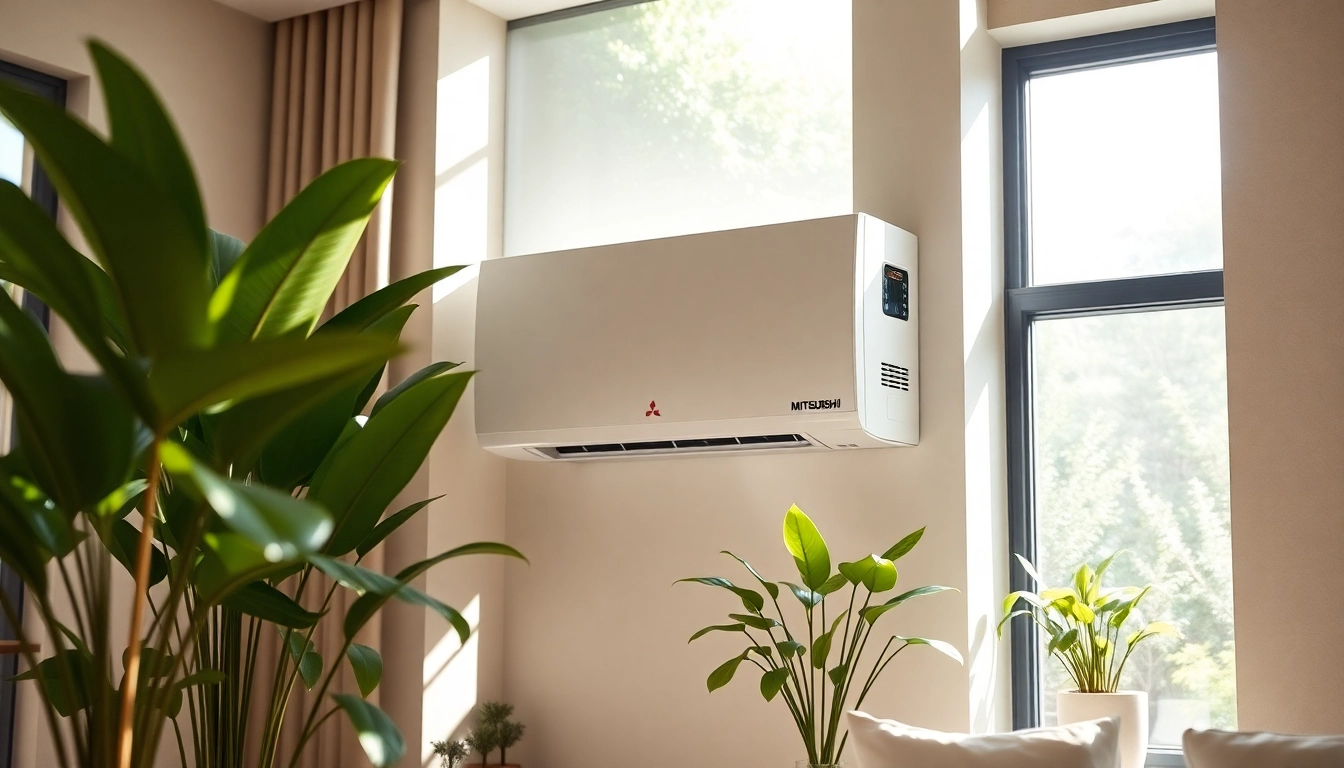
1. Understanding Mitsubishi Mini Split AC Systems
1.1 What is a Mitsubishi Mini Split AC?
Mitsubishi mini split AC systems are a type of air conditioning system designed to provide efficient cooling and heating to individual rooms or spaces. Unlike traditional central air conditioning systems, which rely on ducts to distribute cool air, mini splits operate using an indoor and outdoor unit connected by refrigerant lines. This ductless design allows for greater flexibility in installation and the ability to control the temperature of each space independently. Incorporating the mitsubishi mini split ac into your home can enhance your comfort by optimizing energy efficiency and reducing utility bills.
1.2 Key Benefits of Mini Split Systems
One of the primary benefits of Mitsubishi mini split AC systems is their energy efficiency. With SEER (Seasonal Energy Efficiency Ratio) ratings generally exceeding those of traditional units, these systems consume significantly less energy while delivering consistent cooling and heating. Other key benefits include:
- Flexible Installation: Mini splits can be installed in various configurations, including wall-mounted, ceiling-mounted, or floor-mounted options.
- Zone Control: Each indoor unit can be controlled separately, allowing for personalized comfort throughout the home.
- Quiet Operation: These systems operate quietly, making them ideal for bedrooms, offices, or any noise-sensitive environments.
- Low Maintenance: With fewer components than traditional systems, mini splits require less maintenance and are easier to service.
1.3 How Mitsubishi Mini Split AC Works
Mitsubishi mini split AC systems operate on a refrigerant-based cooling and heating process. The outdoor unit absorbs heat from the outside air and transfers it to the refrigerant. This refrigerant is then pumped into the indoor unit, where it releases the cool air back into the room. The process can also be reversed for heating, making these systems versatile all-year-round units. Critical components of this system include:
- Compressor: Located in the outdoor unit, this component circulates the refrigerant through the system.
- Indoor Air Handler: This unit distributes conditioned air into the indoor space.
- Remote Control: Most units come with a wireless remote for convenient temperature adjustments.
2. Selecting the Right Mitsubishi Mini Split AC for Your Space
2.1 Calculating Your Cooling Needs
Before purchasing a Mitsubishi mini split AC, it’s essential to determine your cooling needs, calculated in BTUs (British Thermal Units). Several factors affect these calculations, such as:
- The size of the room: Larger rooms require more BTUs.
- Climate: Warmer climates will necessitate higher BTU ratings.
- Insulation: Better-insulated spaces maintain temperature more efficiently, potentially requiring fewer BTUs.
- Sun exposure: Rooms with significant sunlight may need additional cooling capacity.
A general guideline is to use 20 BTUs for each square foot of living space. Tools and online calculators can help provide a more accurate estimate based on your specific circumstances.
2.2 Features to Consider
Choosing the right Mitsubishi mini split AC model also involves considering various features that enhance comfort and efficiency. Key features to look for include:
- Inverter Technology: Units with inverter technology maintain a consistent temperature by adjusting the compressor speed, thus saving energy.
- High SEER Rating: Look for units with SEER ratings above 20 for optimal efficiency.
- Smart Home Compatibility: Many models now offer connectivity options that allow control via smartphone apps or smart home systems.
- Filtration Systems: Advanced air filtration can improve indoor air quality by reducing allergens and pollutants.
2.3 Efficient Energy Options
Energy efficiency is paramount when selecting an air conditioning system. Mitsubishi mini split AC systems often come with energy-saving features, which include:
- Eco Mode: This mode optimizes power consumption by adjusting the temperature to minimize energy use while maintaining comfort.
- Variable-Speed Compressor: Unlike traditional fixed-speed units, variable-speed compressors adjust their output based on the cooling demands, reducing power consumption by 30% or more.
- Energy Star Certification: Look for models with Energy Star ratings, indicating they meet or exceed energy efficiency standards.
3. Installation Process of Mitsubishi Mini Split AC
3.1 Preparing Your Installation Site
Preparing your space for a Mitsubishi mini split AC installation involves several key steps:
- Selecting Location: Choose an ideal location for both the indoor and outdoor units that allows for optimal airflow and accessibility for maintenance.
- Checking Electrical Needs: Ensure that your electrical system can support the unit’s requirements.
- Gathering Tools: Common tools needed for installation include a drill, wrenches, screwdrivers, and possibly wall brackets.
3.2 Step-by-Step Installation Guide
Follow these steps for a successful Mitsubishi mini split AC installation:
- Mount the Indoor Unit: Secure the mounting bracket to the wall and hang the indoor unit.
- Install the Outdoor Unit: Place the outdoor unit on a stable surface like a concrete pad.
- Connect Refrigerant Lines: Carefully connect the refrigerant lines between the indoor and outdoor units, ensuring no leaks occur.
- Electrical Connections: Connect the power supply and ensure all electrical connections adhere to local codes.
- Test the System: Conduct a test run of the system to ensure everything operates smoothly.
3.3 Common Mistakes to Avoid
While installing a Mitsubishi mini split AC can be a DIY project, several common mistakes to avoid include:
- Incorrect sizing of units, leading to inefficiency.
- Neglecting to properly insulate refrigerant lines, causing energy loss.
- Failing to secure electrical connections, which can lead to safety hazards.
- Improper placement of indoor units that can restrict airflow.
4. Maintenance Tips for Mitsubishi Mini Split AC
4.1 Routine Maintenance Tasks
Regular maintenance ensures your Mitsubishi mini split AC operates efficiently and effectively. Key maintenance tasks include:
- Cleaning Filters: Clean or replace filters monthly to maintain air quality and efficiency.
- Inspecting Coils: Ensure that indoor and outdoor coils are clean and free of debris, as dirty coils can impair heat exchange.
- Checking Refrigerant Levels: Low refrigerant levels can indicate leaks, needing professional inspection.
4.2 Troubleshooting Common Issues
If your Mitsubishi mini split AC experiences problems, consider these troubleshooting tips:
- No Cool Air: Check if the thermostat is set correctly and if filters or coils are clogged.
- Water Leakage: This can result from blocked drainage lines or low refrigerant levels.
- Strange Noises: Unusual sounds may indicate loose parts, a sign you should consult a professional.
4.3 Ensuring Optimal Efficiency
To maximize the efficiency of your Mitsubishi mini split AC:
- Maintain a clean environment around the outdoor unit; ensure it is unobstructed.
- Consider seasonal maintenance checks by a professional to address any potential issues early.
- Utilize programmable settings or smart controls to optimize usage based on your daily schedule.
5. Frequently Asked Questions about Mitsubishi Mini Split AC
5.1 How long do Mitsubishi Mini Split AC systems last?
With proper maintenance, Mitsubishi mini split AC systems can last between 15 to 20 years, often outlasting traditional systems.
5.2 Can I install a Mitsubishi Mini Split AC myself?
While DIY installation is possible, it’s advised to hire a professional for safety, optimal performance, and compliance with local codes.
5.3 What is the average cost of Mitsubishi Mini Split AC systems?
Average cost varies based on capacity and features, typically ranging from $3,000 to $5,000 for both unit purchase and installation.
5.4 Can Mitsubishi Mini Split AC systems heat as well?
Yes, many Mitsubishi mini split systems provide both heating and cooling, making them versatile for year-round comfort.
5.5 What maintenance is required for Mitsubishi Mini Split AC systems?
Regular filter cleaning/replacement, coil maintenance, and checking refrigerant levels are crucial for optimal performance and longevity.